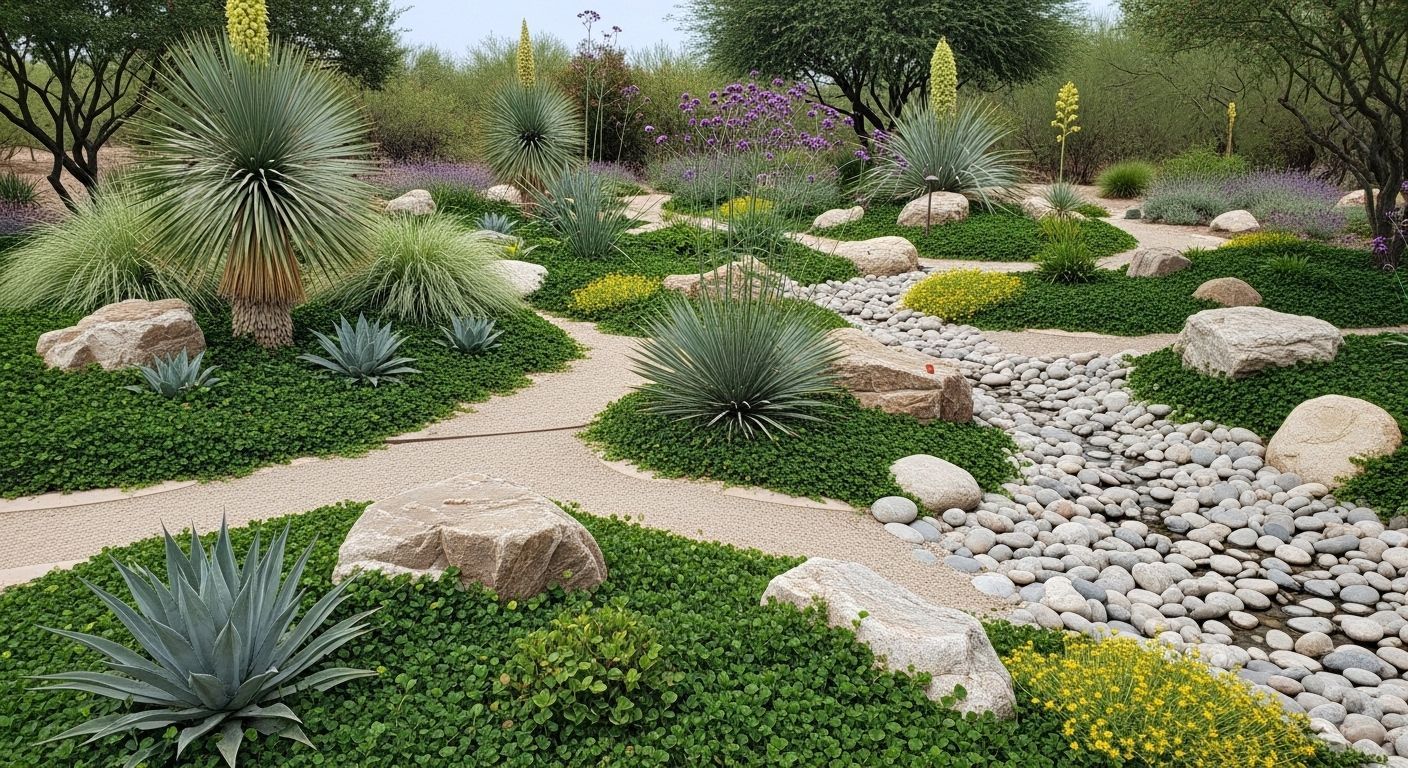
South Lake Tahoe's soils present a specific set of characteristics shaped by the granite bedrock geology that underlies much of the Tahoe Basin. Decomposed granite and sandy soils with good drainage but low nutrient retention dominate much of the residential terrain, creating conditions that are fundamentally different from the clay-dominant profiles found throughout the Sacramento Valley communities we serve. Those sandy, well-draining soils actually favor many Sierra Nevada native species that struggle in heavier soils, but they also require specific mulching and irrigation approaches during the plant establishment period to retain enough moisture for new plants to develop adequate root systems before the first winter arrives. Every South Lake Tahoe project begins with a thorough assessment of the individual property's soil conditions, slope, aspect, and existing vegetation before a single species is proposed or a design direction is committed to.
Fire-adapted plant selection is a critical consideration for South Lake Tahoe xeriscape design that goes beyond the importance it carries in Sonoma County communities like Santa Rosa. The Caldor Fire of 2021 came within miles of South Lake Tahoe and prompted mass evacuations, and the Tahoe Basin's concentration of dry conifer forest creates a persistent wildfire risk that makes defensible space and fire-resistant plant selection essential components of responsible landscape design in this community. Sierra Nevada native plant species that maintain higher moisture content through the summer dry period, create less accumulated fuel load than conventional ornamental plantings, and support the natural fire ecology of the Sierra Nevada forest ecosystem are the foundation of every xeriscape design plan we develop for South Lake Tahoe properties.
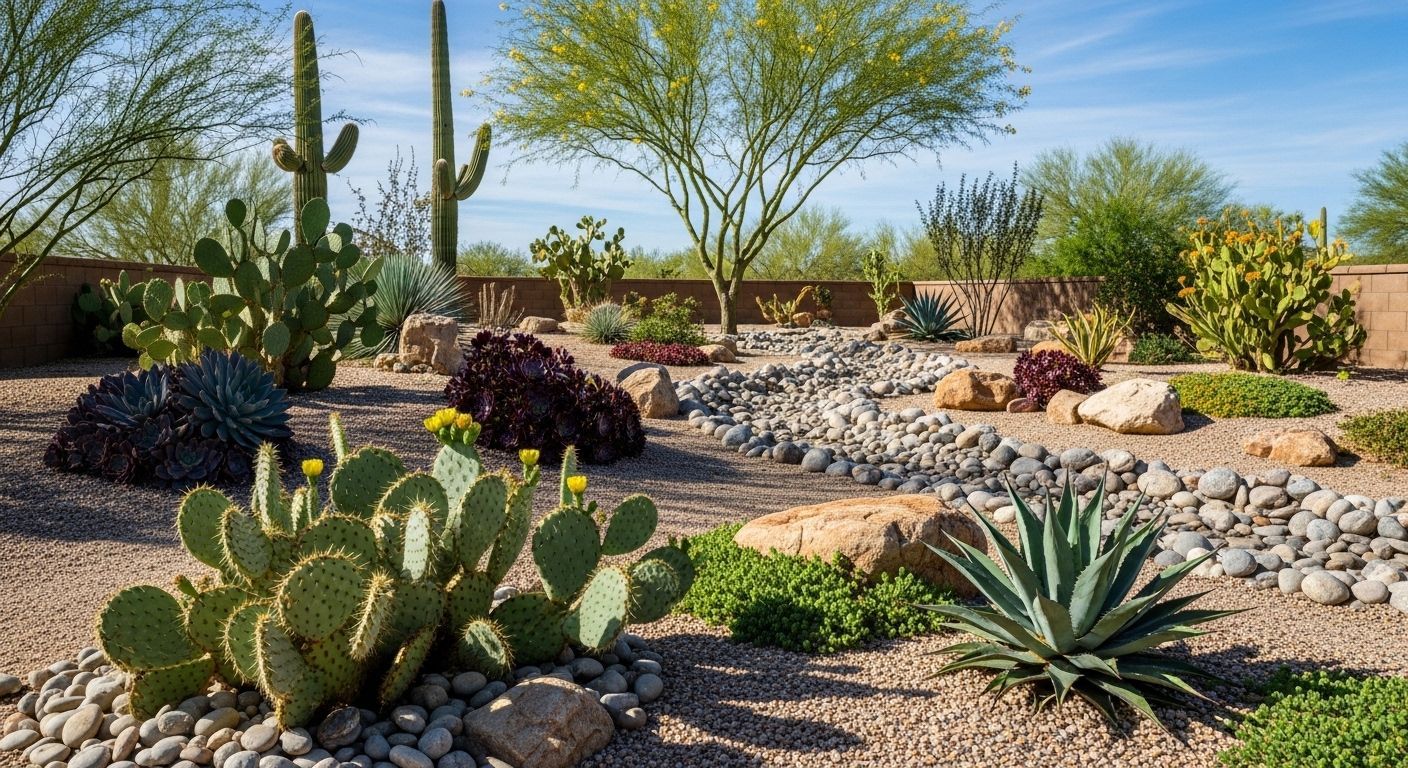
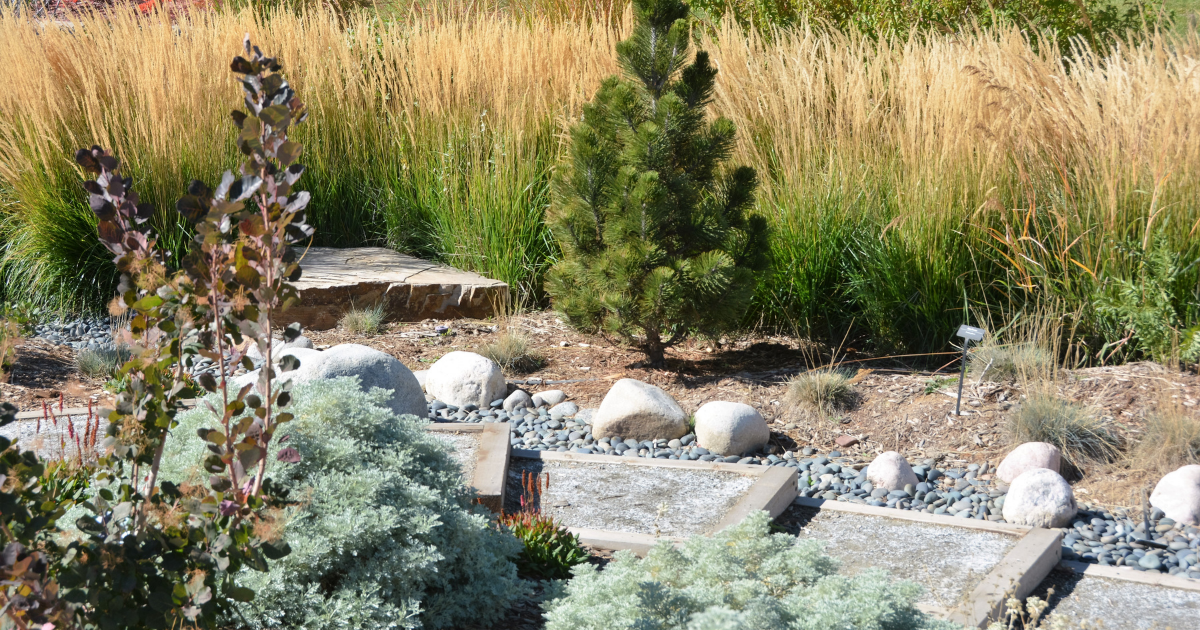
Drought-tolerant landscaping in South Lake Tahoe means something specific and different from what it means in Sacramento or Fresno. It means replacing conventional ornamental plantings that are not suited to high elevation Sierra Nevada conditions with native mountain species that handle the full range of what this environment delivers, deep winter snowpack, late spring frosts, a short intense growing season, granite-derived sandy soils, summer afternoon thunderstorms, and the transition into fall cold that arrives earlier than most conventional ornamental species can handle gracefully. Sierra Nevada native plants including mountain pennyroyal, pinemat manzanita, Sierra Nevada irises, native bunch grasses, and a range of high-elevation native shrubs and wildflowers create xeriscape garden compositions that feel ecologically connected to the surrounding Tahoe Basin landscape rather than imported from a lower-elevation suburban garden catalog.
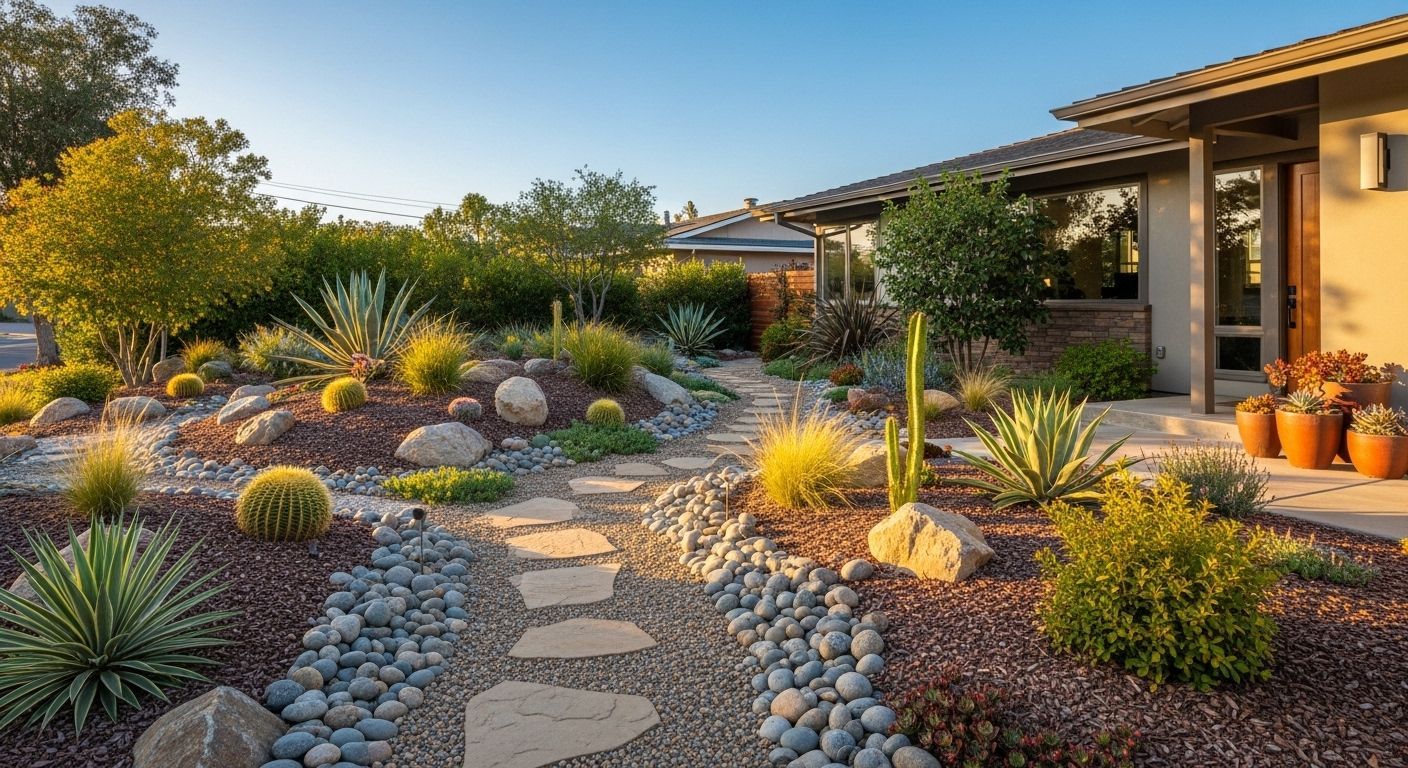
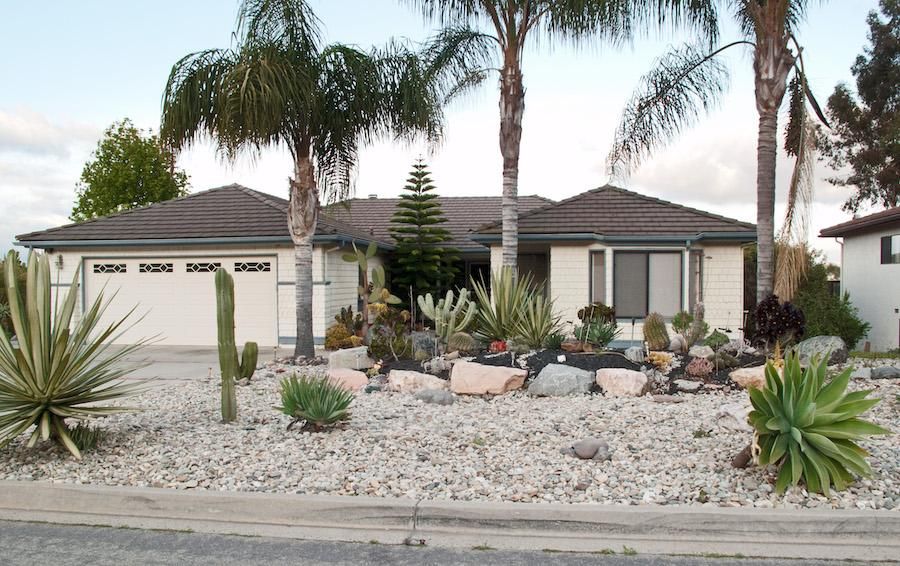
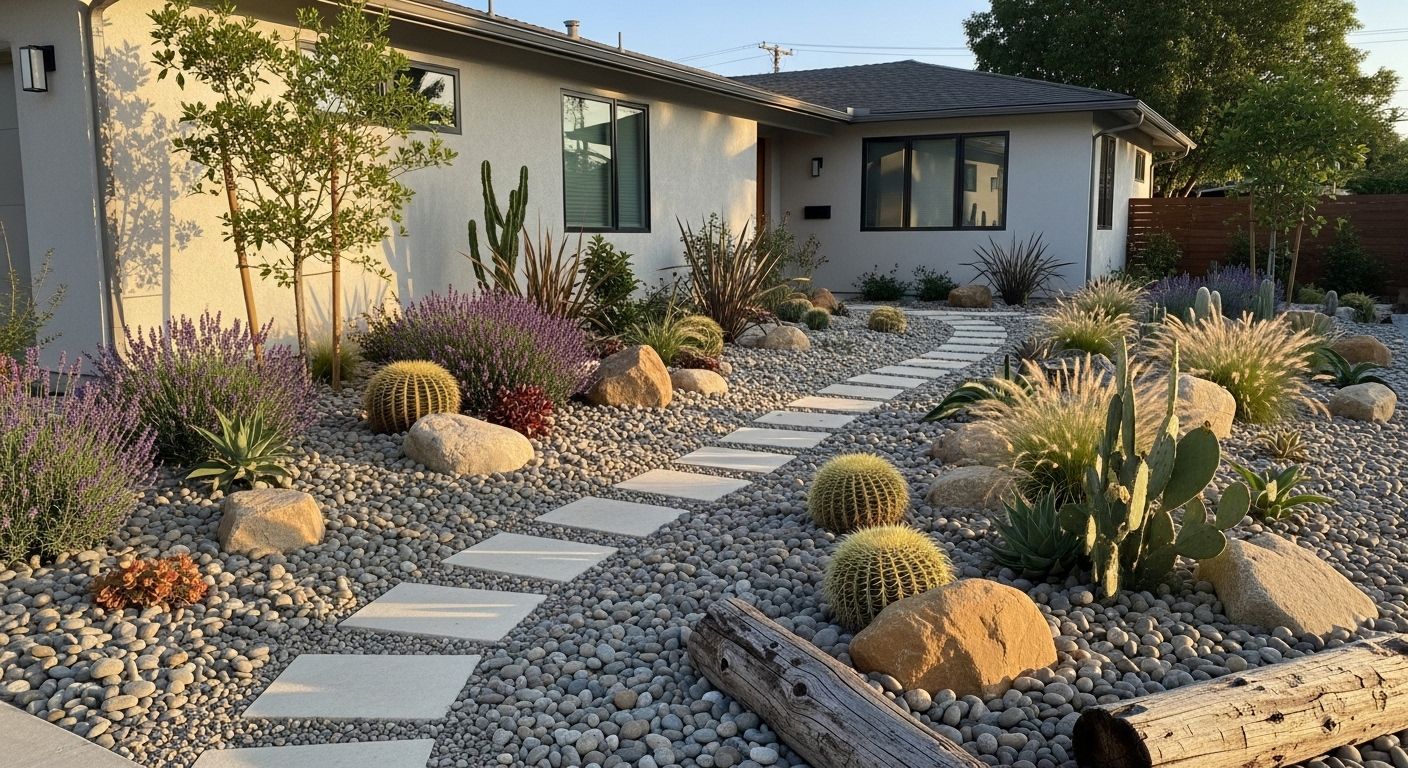
Front yard design ideas for South Lake Tahoe properties frequently draw on the mountain aesthetic that defines the community's visual identity, with naturalistic native plant compositions, decomposed granite pathways, and granite boulder groupings that complement the surrounding Sierra Nevada landscape and the mountain architecture common throughout the resort community. Backyard design in South Lake Tahoe often incorporates the lake views, forest surroundings, and mountain terrain features that many properties enjoy, with xeriscape garden plantings and outdoor living elements that create usable, beautiful outdoor spaces through the compressed but genuinely spectacular summer season.
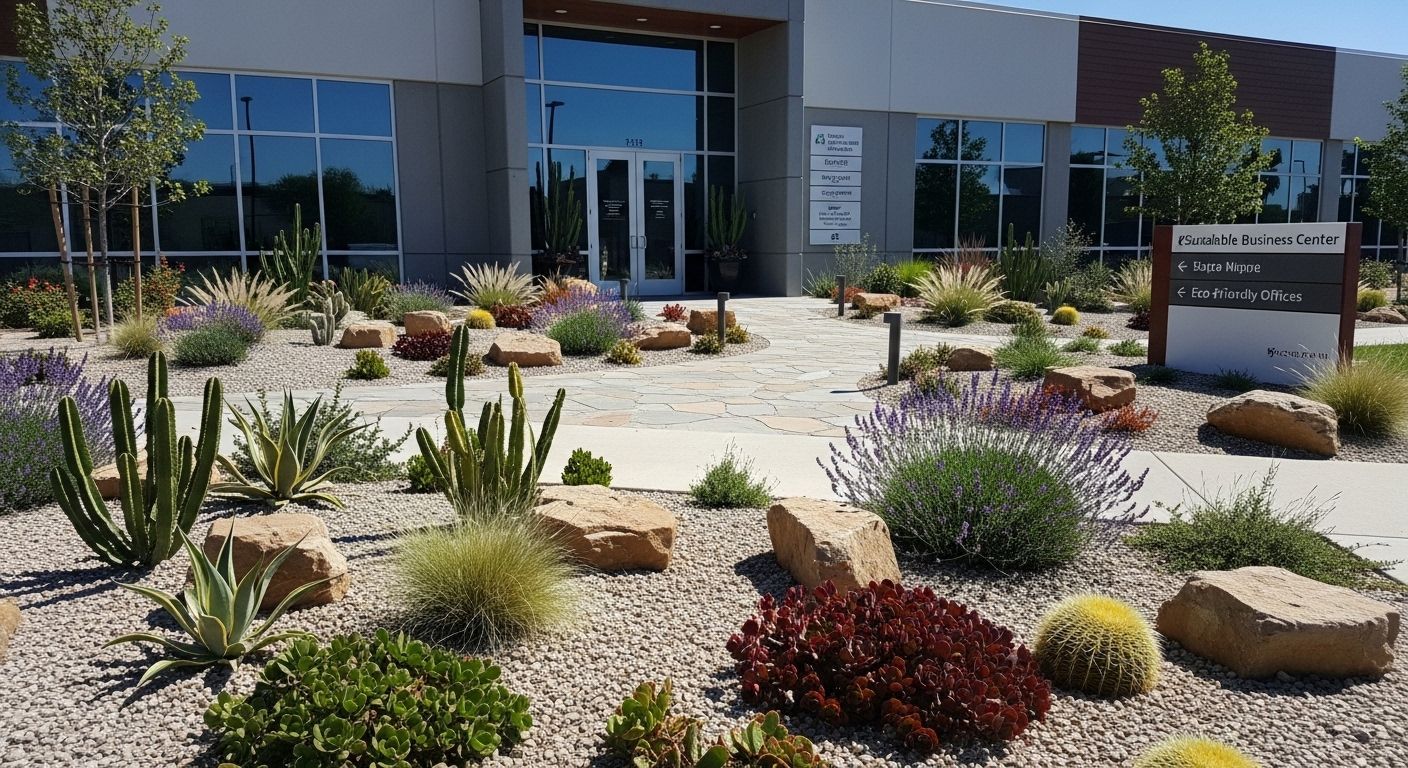
For South Lake Tahoe's commercial properties, resort developments, and any HOA managed communities in the area, our commercial and HOA xeriscaping capabilities address water conservation and long-term maintenance costs while respecting the strict environmental regulations that govern landscaping and construction in the Tahoe Basin. The Tahoe Regional Planning Agency enforces specific land coverage and vegetation management standards throughout the basin, and Sacramento Xeriscape is familiar with these regulatory requirements and incorporates them into every commercial and residential project we take on in South Lake Tahoe. California Civil Code Section 4735 protects homeowners from HOA restrictions that would prohibit drought-tolerant and native plant landscaping, a protection that applies throughout El Dorado County including the South Lake Tahoe area.
Our landscaping design and installation service covers the complete workflow for any South Lake Tahoe client whose primary goal is a better-looking, lower-maintenance mountain landscape built for the specific growing conditions of the Sierra Nevada rather than adapted from a lower-elevation suburban template. Our horticulture and plant selection consulting gives South Lake Tahoe homeowners expert, site-specific plant guidance tailored to high-elevation Sierra Nevada growing conditions, fire-adapted species selection, and Tahoe Basin regulatory requirements without requiring any installation commitment upfront. The Harvard Joint Center for Housing Studies reports that professionally designed and installed landscapes increase residential property values by an average of 10 to 12 percent, a return that carries genuine significance in one of California's most desirable resort and second-home markets where property presentation quality directly affects both primary residence value and vacation rental appeal.
Sacramento Xeriscape helps South Lake Tahoe clients identify and pursue available water conservation rebates and incentives through applicable El Dorado County and Tahoe Basin water providers, confirming current eligibility and amounts at the time of consultation since program details are subject to change. If you have been searching for xeriscaping near me in South Lake Tahoe or want a xeriscape team that genuinely understands the unique high-elevation Sierra Nevada growing conditions, fire-adapted plant selection requirements, and Tahoe Basin regulatory context that make landscape design here a genuinely specialized undertaking, contact Sacramento Xeriscape today to schedule your site assessment.